Hey there! I'm in the nickel supply business, and I often get asked about the potential health risks of inhaling nickel dust. It's a topic that's super important, not just for me as a supplier but for anyone who might come into contact with nickel dust in their work or daily life. So, let's dig into it.
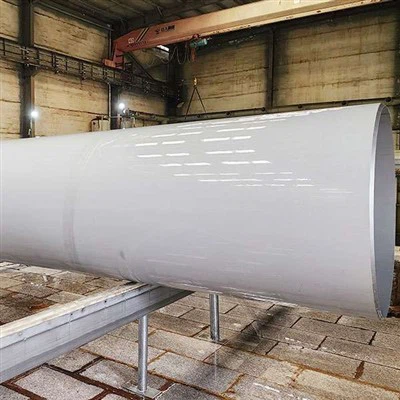
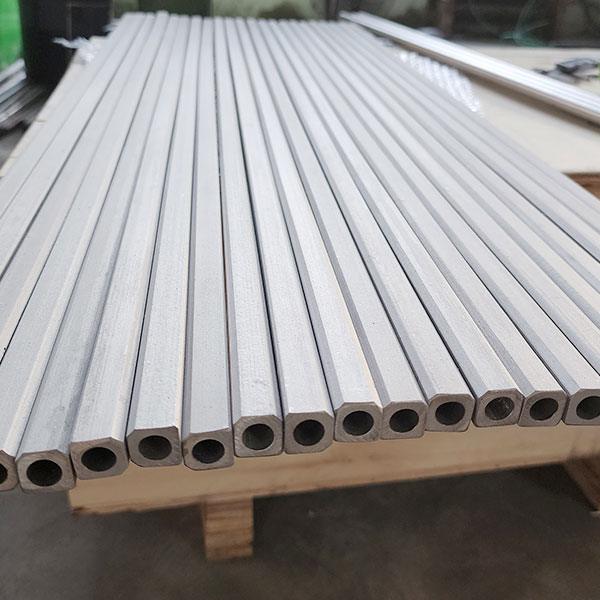
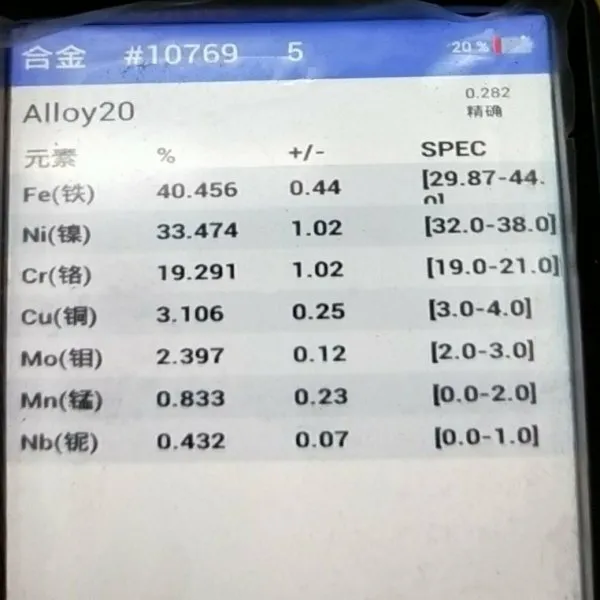
First off, what exactly is nickel dust? Well, it's tiny particles of nickel that can become airborne. This can happen during various industrial processes like mining, smelting, electroplating, or when working with nickel-containing alloys. And these alloys are pretty common. For example, Nickel 200 / UNS N02200 / 2.4060, 2.4066 is widely used in chemical and food processing equipment because of its high purity and corrosion resistance. Alloy 20 / UNS N08020 / 2.4660 is another popular one, often found in applications where resistance to sulfuric acid is needed. And Nickel 201 / UNS N02201 / 2.4061, 2.4608 is used in electronics and aerospace industries due to its low carbon content.
Now, when it comes to the health risks of inhaling nickel dust, there are several things to consider.
Respiratory Issues
One of the most immediate and well-known risks is to the respiratory system. When you inhale nickel dust, it can irritate the nose, throat, and lungs. Short - term exposure might cause symptoms like coughing, wheezing, shortness of breath, and a sore throat. It's like having a bad cold that just won't go away, but it's actually your body reacting to the foreign particles in your airways.
Long - term exposure is even more concerning. It can lead to a condition called pneumoconiosis, which is basically a type of lung disease caused by the inhalation of dust. In the case of nickel dust, it can cause fibrosis, or scarring, of the lung tissue. This scarring makes it harder for your lungs to expand and contract properly, which means less oxygen gets into your bloodstream. Over time, this can lead to chronic obstructive pulmonary disease (COPD), a serious and progressive condition that can severely impact your quality of life.
Allergic Reactions
A lot of people are allergic to nickel. And inhaling nickel dust can trigger allergic reactions. These reactions can range from mild skin rashes to more severe systemic reactions. When you're allergic to nickel, your immune system overreacts to the presence of nickel in your body. So, even a small amount of inhaled nickel dust can cause itching, redness, and swelling of the skin, especially in areas that are more sensitive. In some cases, it can also cause more serious allergic responses like anaphylaxis, although this is relatively rare. But it's still something to be aware of, especially if you know you have a nickel allergy.
Cancer Risk
This is probably the scariest part. Inhaling nickel dust has been linked to an increased risk of lung and nasal cancers. The International Agency for Research on Cancer (IARC) has classified nickel compounds as carcinogenic to humans. When nickel dust gets into your lungs or nasal passages, it can cause damage to the DNA in your cells. This damage can lead to mutations, which can then cause cells to grow and divide uncontrollably, eventually forming tumors. The risk is higher for people who are exposed to high levels of nickel dust over long periods, like workers in nickel mines or smelters.
Other Health Effects
In addition to the respiratory and allergic issues, inhaling nickel dust can also have other effects on your body. It can affect your cardiovascular system, increasing the risk of heart disease. Nickel can interfere with the normal functioning of your blood vessels and heart, leading to high blood pressure and an increased risk of heart attacks and strokes.
It can also have an impact on your kidneys. The kidneys are responsible for filtering waste from your blood, and nickel can accumulate in the kidneys over time. This can damage the kidney cells and lead to kidney problems, such as kidney stones or kidney failure in severe cases.
So, as you can see, the health risks of inhaling nickel dust are pretty serious. But that doesn't mean that nickel is a bad thing. In fact, nickel is an important metal with a lot of useful applications. It's all about managing the risks and taking the right precautions.
Preventive Measures
If you work in an environment where you might be exposed to nickel dust, there are several things you can do to protect yourself. First of all, use proper ventilation systems. These systems can help remove the dust from the air, reducing your exposure. Wearing personal protective equipment (PPE) is also crucial. This includes respirators that are specifically designed to filter out nickel dust, as well as protective clothing to prevent skin contact.
Regular medical check - ups are also important. This way, any health issues related to nickel exposure can be detected early, and appropriate treatment can be started. And employers should also provide training to their workers on the proper handling of nickel and the risks associated with it.
As a Nickel Supplier
As a nickel supplier, I take these health risks very seriously. I make sure that all the nickel products I supply are of high quality and that I provide all the necessary safety information to my customers. I work with my customers to ensure that they are using the nickel in a safe and responsible way.
If you're in the market for nickel products, whether it's Nickel 200 / UNS N02200 / 2.4060, 2.4066, Alloy 20 / UNS N08020 / 2.4660, or Nickel 201 / UNS N02201 / 2.4061, 2.4608, I'm here to help. I can provide you with detailed product specifications and safety data sheets so that you can use the nickel safely in your operations.
If you have any questions about our nickel products or want to discuss your specific needs, feel free to reach out. We're always happy to have a chat and see how we can work together to meet your requirements.
References
- International Agency for Research on Cancer (IARC). Monographs on the Evaluation of Carcinogenic Risks to Humans. Volume 100C: Metals, Metallic Compounds and Alloys.
- American Conference of Governmental Industrial Hygienists (ACGIH). Threshold Limit Values (TLVs) for Chemical Substances and Physical Agents and Biological Exposure Indices.
- World Health Organization (WHO). Guidelines for Indoor Air Quality: Selected Pollutants.