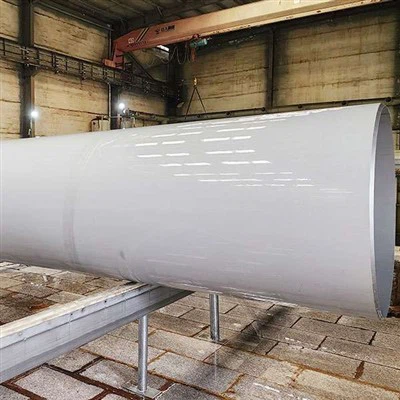
Hey there! As a supplier of UNS S31603, I often get asked if this material is suitable for marine applications. Well, let's dive right in and take a good look at it.
First off, let's understand what UNS S31603 is. It's a type of austenitic stainless steel. Austenitic steels are known for their non - magnetic properties and excellent formability. UNS S31603 is a low - carbon version of the popular 316 stainless steel. The lower carbon content helps to prevent carbide precipitation during welding, which can lead to intergranular corrosion.
Now, when it comes to marine applications, there are some key factors we need to consider: corrosion resistance, strength, and durability.
Corrosion Resistance
The marine environment is extremely harsh. Saltwater contains a high concentration of chloride ions, which can cause pitting corrosion and crevice corrosion in metals. One of the main reasons why UNS S31603 is often considered for marine use is its good corrosion resistance. The addition of molybdenum in 316 stainless steel (and thus in UNS S31603) significantly enhances its resistance to chloride - induced corrosion compared to the basic 304 stainless steel.
However, it's not the end - all - be - all. In highly aggressive marine environments, such as areas with high pollution or near industrial outfalls, UNS S31603 might face some challenges. For example, in areas where there are high levels of sulfur compounds in addition to chloride ions, the corrosion rate could increase.
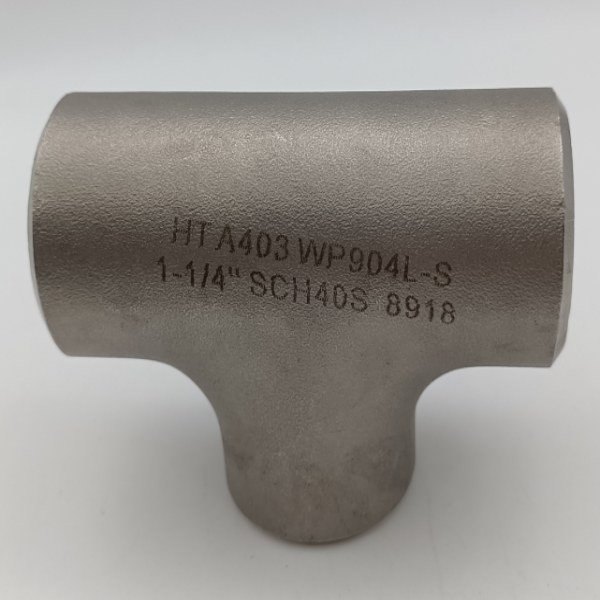
There are other stainless steels that offer even better corrosion resistance in extreme marine conditions. For instance, Stainless Steel 904L / UNS N08904 / 1.4539 has a higher alloy content, including more nickel and molybdenum, which gives it superior resistance to pitting and crevice corrosion. Stainless Steel 317L / UNS S31703 / 1.4438 also has a higher molybdenum content than UNS S31603, making it more resistant to chloride - based corrosion in severe marine settings.
Strength
In marine applications, the material needs to be strong enough to withstand various forces. Waves, currents, and the weight of equipment all put stress on the materials used. UNS S31603 has decent strength. Its austenitic structure gives it good toughness and ductility. It can handle a fair amount of mechanical stress without breaking or deforming easily.
But again, depending on the specific application, there might be better options. For example, in applications where high - strength is crucial, like in some large - scale marine structures or equipment, materials with higher tensile and yield strengths might be preferred. Some specialized alloys or heat - treated steels could offer better strength characteristics.
Durability
Durability is closely related to corrosion resistance and strength. A material that can resist corrosion and maintain its strength over time is considered durable. UNS S31603 has a relatively long service life in many marine applications. It can withstand the constant exposure to saltwater, sunlight, and temperature variations.

However, regular maintenance is still required. If not properly maintained, even UNS S31603 can start to show signs of wear and tear. For example, if there are scratches or damage to the surface, it can create areas where corrosion can start more easily.
Applications Where UNS S31603 Shines
There are many marine applications where UNS S31603 is a great choice. It's commonly used in boat fittings, such as handrails, cleats, and engine parts. These applications usually don't face the most extreme marine conditions and UNS S31603 can provide the necessary corrosion resistance and strength at a reasonable cost.
It's also used in some smaller marine structures like buoys and small jetties. In these cases, the combination of its corrosion resistance, formability, and cost - effectiveness makes it a practical option.
When to Consider Alternatives
As mentioned earlier, in more demanding marine environments, we might want to look at other materials. For example, in offshore oil and gas platforms, where the conditions are extremely harsh and the consequences of corrosion or failure are very high, materials like Stainless Steel 316Ti / UNS S31635 / 1.4571 or Stainless Steel 904L / UNS N08904 / 1.4539 might be more suitable.
Cost Considerations
Cost is always a factor in any engineering decision. UNS S31603 is relatively cost - effective compared to some of the high - end stainless steels. This makes it a popular choice for many marine applications where the budget is a concern. If the application doesn't require the highest level of corrosion resistance or strength, UNS S31603 can provide a good balance between performance and cost.
Conclusion
So, is UNS S31603 suitable for marine applications? The answer is yes, in many cases. It offers good corrosion resistance, decent strength, and is cost - effective. It's a great option for a wide range of marine applications, especially those that don't face the most extreme conditions.
However, it's not a one - size - fits - all solution. In more demanding marine environments, we need to consider other materials with better corrosion resistance and strength. As a supplier of UNS S31603, I'm always happy to help you determine if it's the right choice for your specific marine project. If you're interested in learning more about UNS S31603 or want to discuss your procurement needs, feel free to reach out. We can have a detailed chat about your requirements and see how UNS S31603 or other materials might fit the bill.
References
- ASM Handbook, Volume 13A: Corrosion
- Stainless Steel World Magazine articles on marine applications of stainless steels