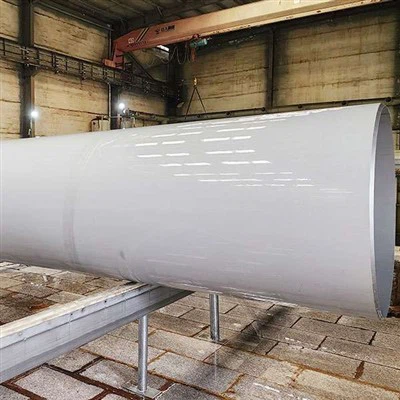
Can UNS 31609 be welded?
As a trusted supplier of UNS 31609, I often encounter inquiries from clients regarding the weldability of this particular stainless - steel alloy. In this blog post, I'll delve deep into the topic of whether UNS 31609 can be welded, exploring the factors, techniques, and best practices associated with its welding process.
Understanding UNS 31609
UNS 31609 is a type of austenitic stainless steel. It is similar to the more common 316 stainless steel but with a higher carbon content, which provides better strength at elevated temperatures. This alloy contains chromium, nickel, and molybdenum, which contribute to its excellent corrosion resistance, especially in environments where chloride ions are present. Its high - temperature strength makes it suitable for applications in the chemical, petrochemical, and power generation industries.

Weldability of UNS 31609
The short answer is yes, UNS 31609 can be welded. However, like any welding process, there are certain considerations and challenges that need to be addressed to ensure a successful weld.
Advantages of Welding UNS 31609
- Good Corrosion Resistance: When welded correctly, the corrosion - resistant properties of UNS 31609 are largely retained. The chromium in the alloy forms a passive oxide layer on the surface, which protects the material from rust and corrosion.
- Strength Retention: The welds can maintain a significant portion of the base metal's strength, especially when proper welding techniques and filler materials are used. This is crucial for applications where the welded structure needs to withstand high stresses.
Challenges in Welding UNS 31609
- Sensitization: One of the main challenges in welding UNS 31609 is sensitization. The higher carbon content in this alloy can lead to the formation of chromium carbides at the grain boundaries during the welding process. This depletion of chromium at the grain boundaries reduces the corrosion resistance in those areas, making the material more susceptible to intergranular corrosion.
- Hot Cracking: The austenitic structure of UNS 31609 can be prone to hot cracking during welding. This occurs when the material is in a semi - molten state and is subjected to high thermal stresses.
Welding Techniques for UNS 31609
Shielded Metal Arc Welding (SMAW)
SMAW is a commonly used welding process for UNS 31609. It involves using a coated electrode to create an arc between the electrode and the base metal. The coating on the electrode provides a shielding gas to protect the weld pool from atmospheric contamination. For UNS 31609, electrodes with a similar composition to the base metal, such as E316 - 15 or E316 - 16, are typically used. These electrodes help to maintain the corrosion resistance and mechanical properties of the weld.
Gas Tungsten Arc Welding (GTAW)
GTAW, also known as TIG welding, is another suitable method for welding UNS 31609. This process uses a non - consumable tungsten electrode to create the arc. A shielding gas, usually argon or a mixture of argon and helium, is used to protect the weld pool. GTAW is known for producing high - quality, clean welds with excellent control over the heat input. It is often used for thin - walled sections or when a high - quality finish is required. Filler metals for GTAW of UNS 31609 are similar to those used in SMAW, such as ER316L or ER316H, depending on the application.
Gas Metal Arc Welding (GMAW)
GMAW, or MIG welding, can also be used for welding UNS 31609. In this process, a consumable wire electrode is fed through a welding gun, and a shielding gas is used to protect the weld pool. GMAW is a fast and efficient welding method, but it requires careful control of the welding parameters to avoid issues such as porosity and lack of fusion. Suitable shielding gases for GMAW of UNS 31609 include a mixture of argon and carbon dioxide.
Filler Materials for Welding UNS 31609
The choice of filler material is crucial for achieving a successful weld in UNS 31609. The filler material should have a similar composition to the base metal to ensure compatibility and maintain the desired properties of the weld.
- ER316L: This filler material has a low carbon content, which helps to reduce the risk of sensitization. It is suitable for applications where corrosion resistance is the primary concern, especially in environments with a high risk of intergranular corrosion.
- ER316H: With a higher carbon content, ER316H is used when high - temperature strength is required. It can provide better strength at elevated temperatures compared to ER316L.
Pre - and Post - Weld Treatments
Pre - Weld Cleaning
Before welding UNS 31609, it is essential to clean the surface of the base metal thoroughly. This removes any contaminants such as oil, grease, dirt, or oxide layers, which can affect the quality of the weld. Solvents or mechanical cleaning methods can be used for this purpose.
Pre - Heating
In some cases, pre - heating the base metal can help to reduce the risk of hot cracking. However, pre - heating should be done carefully, as excessive pre - heating can lead to other issues such as increased grain growth. The pre - heating temperature depends on the thickness of the material and the welding process used.
Post - Weld Heat Treatment
Post - weld heat treatment (PWHT) can be used to relieve residual stresses in the weld and improve the corrosion resistance. Solution annealing is a common PWHT method for UNS 31609. It involves heating the welded structure to a high temperature (around 1050 - 1100°C) and then quenching it rapidly. This helps to dissolve the chromium carbides and restore the corrosion resistance of the material.
Comparison with Other Stainless - Steel Alloys
When considering the weldability of UNS 31609, it is useful to compare it with other similar stainless - steel alloys.
- Stainless Steel 316Ti / UNS S31635 / 1.4571: 316Ti has titanium added to it, which helps to prevent sensitization during welding. It is often used in applications where the risk of intergranular corrosion is high. In comparison, UNS 31609, without the titanium addition, requires more careful welding techniques to avoid sensitization.
- Stainless Steel 904L / UNS N08904 / 1.4539: 904L is a high - alloy stainless steel with excellent corrosion resistance in a wide range of environments. It has a lower carbon content compared to UNS 31609, which reduces the risk of sensitization. However, its high alloy content can make it more difficult to weld compared to UNS 31609.
- Stainless Steel 316L Mod / UNS S31603 / 1.4435: 316L Mod has a low carbon content, similar to 316L. It is more resistant to sensitization compared to UNS 31609. But UNS 31609 offers better high - temperature strength, which makes it more suitable for high - temperature applications.
Conclusion
In conclusion, UNS 31609 can be welded successfully, but it requires careful consideration of the welding process, filler materials, and pre - and post - weld treatments. By understanding the challenges and following the best practices, high - quality welds can be achieved, maintaining the excellent corrosion resistance and high - temperature strength of the alloy.
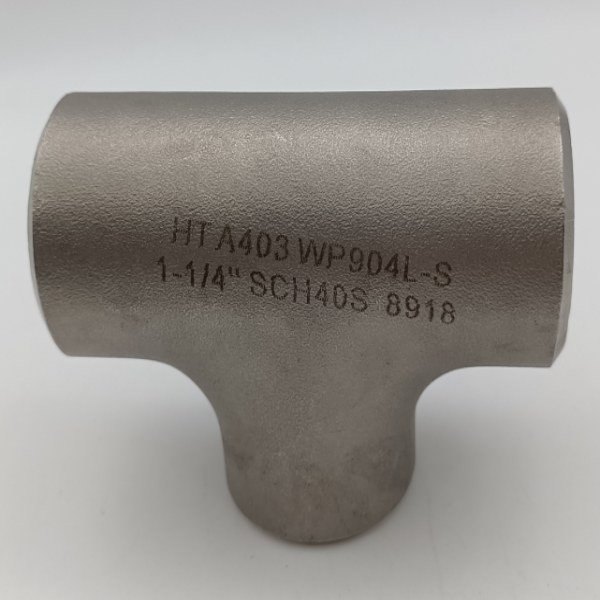
If you are in the market for UNS 31609 or have any questions regarding its welding or other properties, feel free to contact us for more information. Our team of experts is ready to assist you in finding the right solutions for your specific applications. We can provide detailed technical advice and help you source the highest - quality UNS 31609 products. Whether you are a small - scale manufacturer or a large - scale industrial enterprise, we are committed to meeting your needs.

References
- ASM Handbook, Volume 6: Welding, Brazing, and Soldering
- Welding Metallurgy and Weldability of Stainless Steels by John C. Lippold and David J. Kotecki
- Stainless Steel for Design Engineers by George Vander Voort